
Drug use can gradually affect a person’s health, relationships, studies, work, and finances. If someone is finding it difficult to stop or cut down, a professional assessment can help identify what support may be appropriate. Seeking help is a health decision, not a reason for shame.
This guide focuses on drug addiction treatment in Baripada. It explains when families may want to seek guidance, what information is useful at a first assessment, and why treatment plans should be based on the person’s needs. Different substances and health situations call for different care.
When may someone need professional support?
Consider asking for an assessment if the person:
- Uses a drug more often or for longer than they intended
- Has tried to stop or cut down but has found it difficult
- Continues using despite effects on health, relationships, studies, or work
- Has become less involved in daily responsibilities or activities
- Is also experiencing low mood, anxiety, sleep problems, or other health concerns
- Uses more than one substance, including alcohol or medicines
These changes do not confirm a diagnosis. A qualified professional can discuss the person’s situation and help decide whether treatment or another kind of support is suitable.
What to prepare for an assessment
If possible, write down which substances the person uses, how often, and when they last used them. Bring a list of current medicines, relevant health information, and any previous prescriptions or treatment details. Be honest about alcohol and other substances too, as these details can affect safety and the care plan.
A family member can call or ask questions before the person attends. If the person agrees, a relative may join the appointment and share observations. Try to talk when everyone is calm; an argument or a conversation while someone is intoxicated is rarely a good time to make plans.
What can drug addiction treatment involve?
Treatment is not the same for everyone. Depending on the assessment, it may involve:
- A review of physical health, substance use, medicines, and mental health
- Medical support if withdrawal or another health concern needs attention
- Individual counselling and support to work on triggers and goals
- Family guidance, when appropriate and with the person’s involvement
- Follow-up and a plan for continuing support
The WHO and UNODC international standards describe treatment for drug use disorders as a coordinated, evidence-informed service that can include different settings and interventions. The right plan depends on the substance, health needs, and the person’s circumstances. Do not start, stop, or change medicines without a qualified clinician’s advice.
How families can support recovery
- Use calm, specific language about what worries you.
- Listen and offer to help arrange an assessment, rather than demanding an immediate decision.
- Set clear, respectful boundaries that protect everyone at home.
- Ask the care team how the family can support treatment and follow-up.
- Seek guidance for yourself if you are feeling overwhelmed.
If the person is not ready to attend, a family member can still ask a treatment team how to begin a conversation and what options may be available.
Finding drug addiction treatment in Baripada
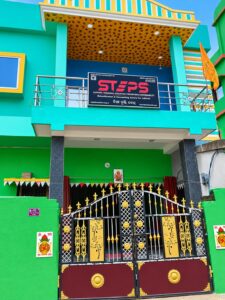
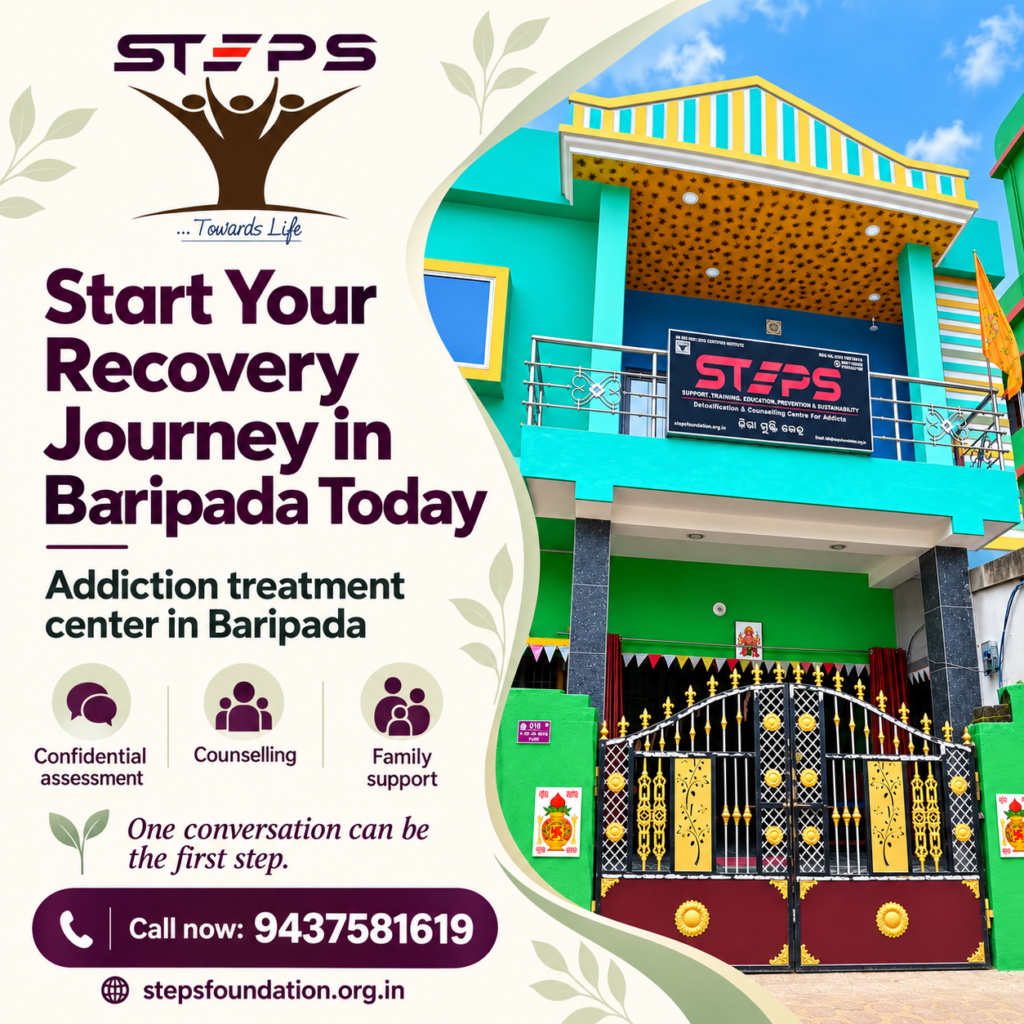
STEPS Deaddiction & Mental Health Services supports individuals and families in Baripada and Mayurbhanj with substance-use and mental health concerns. Contact the team to ask about an assessment, available services, and the next practical step for your family.
Call: 94375 41619
If you think an overdose has occurred or there is an immediate medical emergency, contact emergency services or go to the nearest hospital emergency department now.