

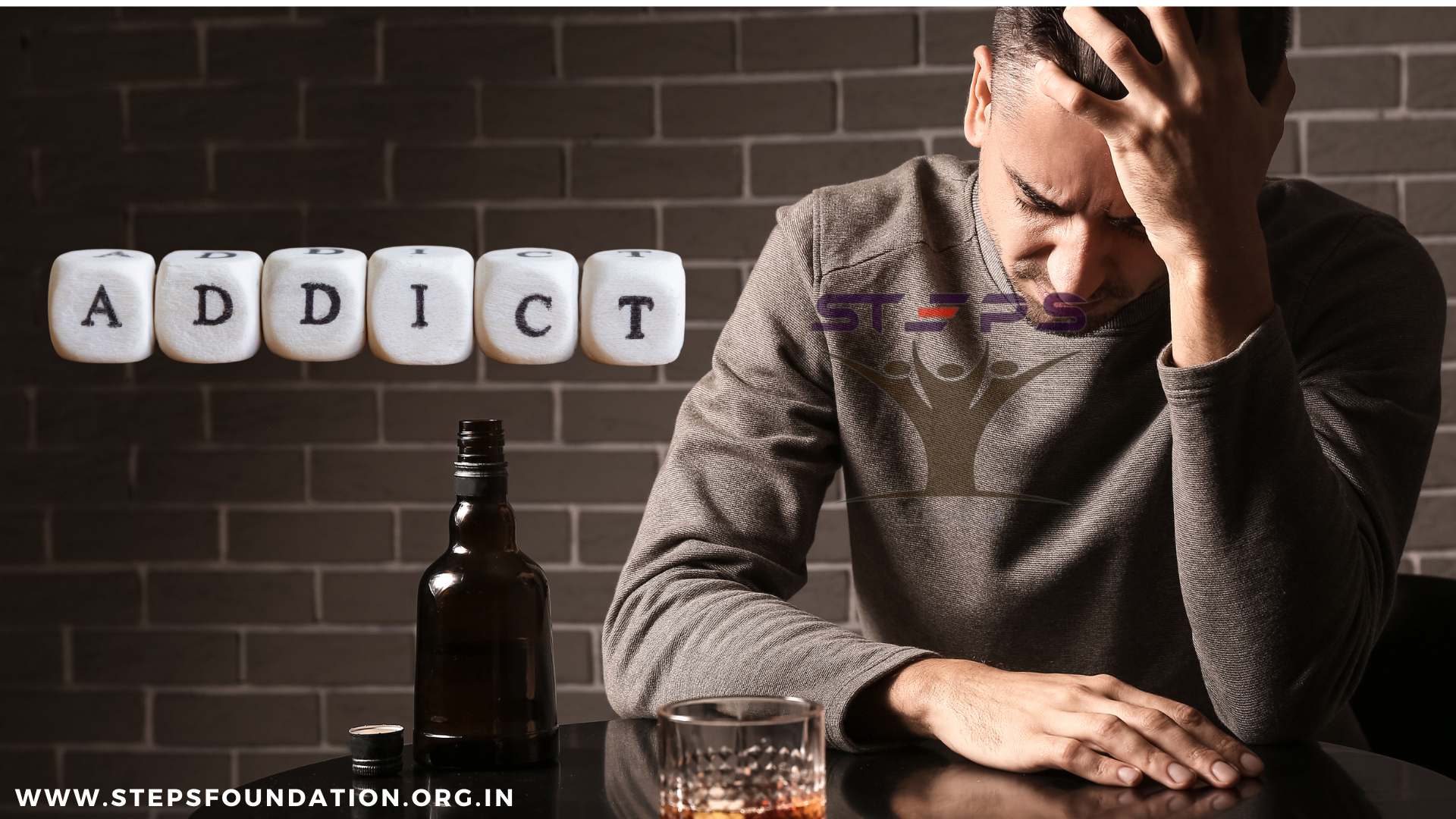

Alcohol consumption is a common part of social gatherings and relaxation for many people. However, when drinking starts to interfere with daily life, relationships, and health, it may be a sign of alcohol addiction. Recognizing the early warning signs can help individuals take the necessary steps toward recovery.
In this blog, we will explore the signs of alcohol addiction, its impact on different aspects of life, and how to seek help.
Understanding Alcohol Addiction
Alcohol addiction, also known as alcohol use disorder (AUD), is a chronic condition where an individual struggles to control their drinking despite negative consequences. It can range from mild to severe, with some people experiencing physical and emotional dependence on alcohol.
Many people do not realize they have a problem until their drinking habits start affecting their personal and professional lives. The key to overcoming addiction is recognizing the signs early and seeking appropriate support.
Signs That Your Drinking May Be a Problem
If you are unsure whether your drinking is becoming an issue, consider the following signs:
1. Increased Tolerance and Dependence
If you find yourself needing more alcohol to feel its effects, it could indicate that your body has developed a tolerance. Over time, this can lead to dependence, where you feel the need to drink regularly to function normally.
2. Loss of Control Over Drinking
Do you often drink more than you intended or struggle to stop once you start? If you find yourself unable to limit alcohol consumption, it may be a red flag that drinking is taking control over your life.
3. Neglecting Responsibilities
Missing work, ignoring family duties, or failing in academics due to drinking is a common sign of alcohol addiction. When alcohol becomes a priority over responsibilities, it indicates a growing problem.
4. Experiencing Withdrawal Symptoms
If you feel anxious, irritable, shaky, or nauseous when not drinking, you may be experiencing alcohol withdrawal symptoms. These signs suggest that your body has developed a dependence on alcohol.
5. Drinking to Cope With Stress or Emotions
Using alcohol as an escape from stress, anxiety, loneliness, or depression is dangerous. Over time, this can lead to emotional dependence and worsen mental health issues.
6. Isolation and Secretive Drinking
If you find yourself drinking alone or hiding alcohol consumption from friends and family, it could be a sign that you are aware of the problem but are struggling to control it.
7. Relationship and Social Issues
Alcohol addiction often leads to conflicts with family, friends, and colleagues. If your relationships are suffering due to drinking habits, it may be time to reevaluate your alcohol use.
How Alcohol Addiction Affects Your Life
Excessive drinking can have long-term consequences on various aspects of life:
🔴 Health Risks – Liver disease, heart problems, high blood pressure, and mental health disorders.
🔴 Career and Financial Struggles – Job loss, poor performance, and financial instability.
🔴 Legal Issues – Drunk driving, altercations, or public disturbances.
🔴 Broken Relationships – Strained family bonds and loss of friendships.
Recognizing these effects is crucial in understanding the need for change.
Seeking Help and Taking the First Step
If you identify with any of the signs mentioned above, it is never too late to seek help. Here are some steps to get started:
✅ Acknowledge the Problem – The first step to recovery is accepting that you need help.
✅ Reach Out for Support – Talk to friends, family, or a trusted professional about your struggles.
✅ Seek Professional Guidance – Therapists, psychologists, and rehabilitation programs can help in recovery.
✅ Join Support Groups – Alcoholics Anonymous (AA) or community support groups provide motivation and encouragement.
✅ Develop Healthy Coping Mechanisms – Engage in hobbies, exercise, and meditation to replace alcohol consumption.
At STEPS Foundation, we provide guidance, support, and resources to help individuals on their journey to recovery. You are not alone—help is always available!
Final Thoughts
Recognizing the signs of alcohol addiction is the first step toward a healthier and more fulfilling life. If your drinking is affecting your daily life, relationships, or health, don’t hesitate to seek help. Change is possible, and recovery starts with one small step.
📍 Need support? Visit: stepsfoundation.org.in
📞 Call us for guidance: +91 94375 41619 / +91 9938781619
Frequently Asked Questions (FAQs) – Prescription Drug Addiction Signs & Treatment
1. What is prescription drug addiction?
Prescription drug addiction is a substance use disorder where an individual becomes dependent on legally prescribed medications — such as painkillers, sedatives, or stimulants — and continues using them despite harm. It’s a serious condition that often requires professional treatment and rehab to overcome.
2. What are the common signs of prescription drug addiction?
Signs may include:
- Taking medication in larger amounts or longer than prescribed
- Feeling unable to function without the drug
- Experiencing withdrawal symptoms when stopping use
- Neglecting work, family, or social responsibilities
Mood swings, anxiety, or depression linked to drug use
Recognizing these prescription drug addiction signs early can help prompt timely treatment.
3. How is prescription drug addiction treated?
Effective treatment typically involves:
- Medical detox to safely manage withdrawal
- Counselling and therapy (individual & group)
- Behavioural interventions to change drug‑seeking patterns
Aftercare and relapse prevention
These treatments can be found at a drug rehab centre near me or a specialised de‑addiction centre.
4. Do people addicted to prescription drugs need a rehab centre?
Yes. Because prescription drug addiction affects both the brain and behaviour, rehabilitation centres (including drug rehab centres near me and de‑addiction centres) provide structured care, medical supervision, and psychological support essential for long‑term recovery.
5. Can prescription drug addiction affect mental health?
Absolutely. Addiction often co‑occurs with anxiety, depression, trauma, or other emotional issues. A holistic treatment approach that addresses both mental health and substance use greatly improves recovery outcomes.
6. What should I do if a loved one shows signs of prescription drug misuse?
If you notice signs like increased tolerance, withdrawal, secretive use, or behavioural changes, reach out early for help. Contact a de‑addiction centre or rehabilitation and treatment provider for a confidential assessment and support guidance.
7. Is detox necessary for prescription drug addiction treatment?
In many cases, yes. Medical detoxification safely manages physical withdrawal symptoms and prepares the individual for therapy and recovery work. This is often one of the first steps at a drug treatment centre near me.
8. Can prescription drug addiction be treated on an outpatient basis?
Depending on severity, some individuals may begin with outpatient counselling or therapy. However, moderate‑to‑severe addiction often benefits from in‑patient rehab where supervision and support are continuous.
9. How long does treatment for prescription drug addiction take?
Treatment duration varies based on individual needs, severity of dependence, and support systems. Programs often range from a few weeks to 90+ days, including detox, counselling, therapy, and aftercare planning.
10. What is relapse prevention and why is it important?
Relapse prevention helps individuals identify triggers, build coping skills, and maintain recovery long‑term. It’s an important part of any prescription drug addiction treatment plan and is included in most comprehensive rehab programs.
11. How can I find treatment centres near me?
Search terms like “drug rehab centre near me,” “prescription drug addiction treatment near me,” or “de‑addiction centre near me” can help you locate nearby recovery services. Many centres also offer intake assessments and guidance over the phone.
12. Is it possible to recover from prescription drug addiction?
Yes. With the right support — including medical care, therapy, lifestyle changes, and ongoing support — many people recover fully and lead healthy, meaningful lives. Early recognition and professional treatment greatly improve success rates.