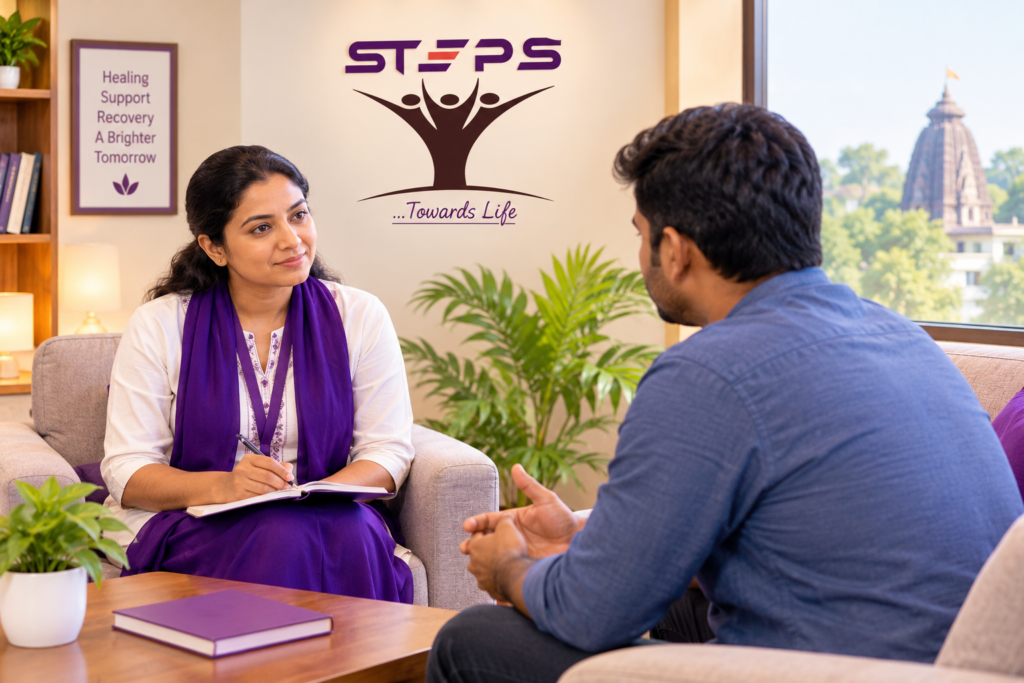
Alcohol addiction can affect much more than a person’s drinking habits. Over time, problematic alcohol use may affect physical health, emotional well-being, family relationships, work, finances, and everyday life. For people and families in Talcher and nearby areas of Angul district, seeking professional support can be an important step toward recovery.
An Alcohol Rehabilitation Centre in Talcher can provide a structured environment where individuals receive assessment, counselling, behavioural support, medical supervision when required, and guidance for developing healthier routines.
Recovery is not simply about stopping alcohol use. It is a process of understanding the factors that contribute to drinking, managing withdrawal and cravings safely, developing coping skills, rebuilding relationships, and learning how to maintain recovery after treatment.
What Is Alcohol Rehabilitation?
Alcohol rehabilitation, often called alcohol rehab, is a structured treatment process designed to help people reduce or stop harmful alcohol use and improve their overall functioning.
Treatment can involve several components depending on the individual’s needs, including:
- Initial assessment
- Medical evaluation
- Withdrawal management or detoxification when clinically required
- Individual counselling
- Group sessions
- Behavioural therapies
- Family counselling
- Relapse-prevention planning
- Yoga, relaxation, or wellness activities
- Development of healthy daily routines
- Continuing-care planning
There is no single treatment plan that works for everyone. A person’s alcohol use, physical health, mental health, family situation, previous treatment experiences, and recovery goals should all be considered.
When Should Someone Consider an Alcohol Rehabilitation Centre in Talcher?
Recognising when professional help is needed can sometimes be difficult.
A person may benefit from an assessment if alcohol use is causing problems such as:
- Drinking more frequently or in larger amounts than intended
- Difficulty cutting down or stopping
- Strong cravings for alcohol
- Neglecting work, education, or family responsibilities
- Repeated arguments with family members because of drinking
- Continuing to drink despite physical or emotional problems
- Spending significant time obtaining, drinking, or recovering from alcohol use
- Experiencing withdrawal symptoms when alcohol use is reduced or stopped
- Repeated attempts to stop drinking without being able to maintain the change
These signs do not mean that someone should be judged or blamed. Alcohol dependence is a health condition, and professional assessment can help determine the appropriate level of care.
Understanding the Alcohol Recovery Process
Recovery usually develops through several stages. The exact process varies from person to person, but a structured rehabilitation programme may include the following steps.
1. Assessment and Treatment Planning
Treatment generally begins with an assessment.
Professionals may discuss:
- Drinking patterns and duration of alcohol use
- Previous attempts to stop drinking
- Physical health
- Sleep and nutrition
- Mental and emotional well-being
- Medications and other substance use
- Family and social circumstances
- Previous treatment or relapse history
This information helps the treatment team develop an appropriate recovery plan.
2. Detoxification and Withdrawal Management
For some people, stopping alcohol suddenly can lead to withdrawal symptoms. Depending on the severity of alcohol dependence, withdrawal can range from relatively mild symptoms to serious medical complications.
Possible symptoms may include:
- Anxiety or restlessness
- Tremors
- Sweating
- Nausea
- Sleep difficulties
- Increased heart rate
- Confusion
- Seizures in severe cases
Alcohol withdrawal can sometimes be medically dangerous. People who have been drinking heavily or regularly should not assume that stopping suddenly at home is always safe.
A qualified healthcare professional can assess withdrawal risk and determine whether medically supervised detoxification is necessary.
Detoxification is only the beginning of treatment. Completing detox does not by itself address the psychological, behavioural, or social factors associated with alcohol use.
3. Counselling and Psychological Support
Counselling is an important part of many alcohol recovery programmes.
Individual counselling provides an opportunity to discuss personal challenges in a confidential and supportive environment.
Counselling may help a person understand:
- Why they drink
- Situations that trigger alcohol use
- Emotional difficulties associated with drinking
- Unhelpful thought and behaviour patterns
- Ways to manage cravings
- Healthy ways to respond to stress
- Strategies for preventing relapse
Evidence-based behavioural approaches can help people develop practical skills for changing patterns associated with problematic alcohol use.
4. Group Sessions and Peer Support
Group-based activities can provide a sense of connection and shared understanding.
People in recovery may discuss common challenges such as:
- Cravings
- Family conflict
- Stress
- Social pressure
- Maintaining motivation
- Returning to work
- Preventing relapse
Listening to other people’s experiences can help reduce isolation and encourage participation in recovery.
However, group treatment should complement—not replace—individual assessment and appropriate professional care.
5. Family Counselling
Alcohol problems rarely affect only one person.
Family members may experience worry, frustration, financial stress, conflict, or uncertainty about how to support their loved one.
Family counselling can help family members understand alcohol dependence and learn healthier ways of communicating and supporting recovery.
Families may also learn how to:
- Set appropriate boundaries
- Avoid enabling harmful behaviours
- Communicate without unnecessary blame
- Recognise warning signs of relapse
- Support treatment participation
- Take care of their own emotional well-being
Family involvement can therefore be an important part of long-term recovery.
6. Building a Healthy Daily Routine
Rehabilitation is also an opportunity to establish healthier habits.
A structured routine may include:
- Regular sleep
- Nutritious meals
- Physical activity
- Counselling
- Group activities
- Relaxation practices
- Yoga or breathing exercises
- Meaningful recreational activities
- Time for reflection and personal development
The goal is not simply to keep someone busy. A balanced routine can help create stability and provide healthier alternatives to alcohol-focused patterns.
7. Identifying Triggers and Cravings
Cravings can occur during recovery, especially when a person encounters situations associated with previous drinking.
Triggers may include:
- Stress
- Certain people or social situations
- Financial difficulties
- Family conflict
- Loneliness
- Celebrations or social gatherings
- Places associated with previous drinking
- Emotional distress
During treatment, individuals can learn to identify their personal triggers and develop coping strategies.
For example, instead of responding to stress by drinking, a person may learn to contact a supportive person, practise relaxation techniques, attend a support session, exercise, or use another healthy coping strategy.
8. Relapse Prevention
Recovery continues after residential treatment or an intensive rehabilitation programme ends.
A relapse-prevention plan may include:
- Recognising early warning signs
- Avoiding high-risk situations where possible
- Developing healthy coping strategies
- Maintaining supportive relationships
- Continuing counselling when appropriate
- Attending recovery-support programmes
- Following medical advice
- Maintaining a structured routine
A return to alcohol use should be treated as a signal that the treatment plan may need reassessment rather than as a reason for shame.
How Long Does Alcohol Rehabilitation Take?
There is no universal treatment duration for alcohol recovery.
The appropriate length of treatment depends on factors such as:
- Severity and duration of alcohol use
- Withdrawal risk
- Physical health
- Mental health
- Previous treatment history
- Family and social support
- Response to treatment
- Individual recovery goals
Some people may require medically supervised withdrawal followed by structured treatment, while others may benefit from longer-term residential rehabilitation and continuing care.
A professional assessment is the best way to determine an appropriate treatment plan.
What Should Families Look for in an Alcohol Rehabilitation Centre in Talcher?
Choosing a rehabilitation centre is an important decision. Families may consider whether the centre provides:
Professional assessment
Treatment should begin with an appropriate assessment rather than a one-size-fits-all programme.
Medical support
People with significant alcohol dependence may require medical supervision, particularly during withdrawal.
Qualified counselling
Counselling should be provided by appropriately trained professionals using approaches suitable for the individual’s needs.
Mental health support
Alcohol use can occur alongside anxiety, depression, trauma, or other mental health concerns. These issues may require appropriate assessment and care.
Family involvement
A programme that provides family education and counselling can help address the wider effects of alcohol use.
Relapse-prevention planning
Treatment should prepare individuals for challenges after they leave structured rehabilitation.
Confidential and respectful care
People seeking treatment should be treated with dignity, privacy, and compassion.
Alcohol Rehabilitation in Talcher, Odisha
For families searching for an Alcohol Rehabilitation Centre in Talcher, local access can make it easier to seek structured support without travelling far from home.
STEPS Deaddiction & Mental Health Services provides rehabilitation and mental health support in Talcher, Odisha, with a focus on structured recovery, counselling, wellness activities, family involvement, and continuing support.
The Talcher centre is located near Baghuabol Shiva Mandira, Talcher, Odisha 759100.
Before choosing any treatment programme, families should discuss the individual’s needs with qualified healthcare professionals and understand what services, medical support, treatment duration, and aftercare are provided.
Recovery Is a Process, Not a Single Event
Alcohol recovery does not happen overnight. It involves learning new ways to manage stress, relationships, emotions, cravings, and everyday responsibilities.
For some people, the first step may simply be speaking with a healthcare professional or rehabilitation counsellor. Seeking help early can provide an opportunity to understand the problem and explore appropriate treatment options.
With structured treatment, professional support, family involvement, and ongoing recovery planning, people with alcohol-related problems can work toward healthier and more stable lives.
Frequently Asked Questions
What does an alcohol rehabilitation centre do?
An alcohol rehabilitation centre may provide assessment, withdrawal management when required, counselling, behavioural support, group sessions, family counselling, wellness activities, relapse-prevention planning, and continuing-care guidance.
Is alcohol detox the same as rehabilitation?
No. Detoxification focuses primarily on safely managing withdrawal from alcohol. Rehabilitation addresses the broader behavioural, psychological, social, and lifestyle factors involved in recovery.
Can alcohol withdrawal be dangerous?
Yes. Alcohol withdrawal can sometimes cause serious complications, particularly in people with significant dependence. Medical assessment is important before attempting to stop heavy or prolonged alcohol use.
How long does alcohol treatment take?
Treatment duration varies. It depends on the severity of alcohol use, withdrawal risk, health conditions, previous treatment, recovery needs, and response to treatment.
Does family counselling help during alcohol recovery?
Family counselling can help relatives understand alcohol dependence, improve communication, establish healthy boundaries, and develop practical ways to support recovery.
Can someone recover from alcohol dependence?
Many people make substantial changes and maintain recovery with appropriate treatment and continuing support. Recovery is individual, and ongoing care may be important for maintaining progress.
Take the First Step Toward Recovery
If alcohol use is affecting an individual’s health, relationships, work, or daily life, seeking professional guidance can be an important first step.
STEPS Deaddiction & Mental Health Services – Talcher
📍 Near Baghuabol Shiva Mandira, Talcher, Odisha – 759100
📞 9938781619
Professional support can help individuals and families understand their options and create a structured path toward recovery.