

When people think about addiction, they often focus on the visible symptoms—substance use, behavioral changes, relationship struggles, or financial difficulties. However, beneath the surface, there is often a deeper and less visible issue: mental health.
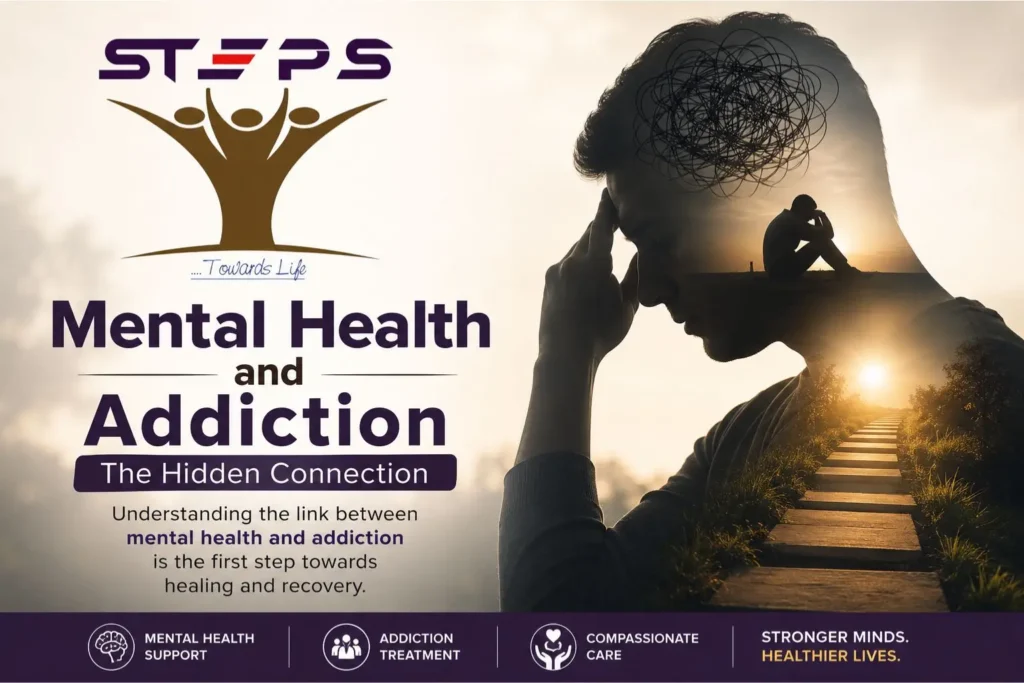
The connection between mental health and addiction is complex, powerful, and frequently misunderstood. Many individuals struggling with addiction are also dealing with anxiety, depression, trauma, stress disorders, or other mental health conditions. Likewise, long-term addiction can significantly impact emotional well-being, creating a cycle that becomes increasingly difficult to break without professional support.
At STEPS Deaddiction & Mental Health Services, we understand that recovery is about more than stopping substance use. True healing requires addressing both addiction and the underlying mental health challenges that may be contributing to it.
Understanding the Relationship Between Mental Health and Addiction
Mental health and addiction are closely interconnected. In many cases, one condition can contribute to the development of the other.
A person experiencing emotional distress may turn to alcohol, drugs, or other addictive behaviors as a way to cope with overwhelming feelings. What begins as temporary relief can gradually develop into dependency.
Similarly, addiction itself can alter brain chemistry, increase emotional instability, and worsen existing mental health conditions. Over time, individuals may find themselves trapped in a cycle where mental health symptoms fuel addiction, and addiction intensifies mental health struggles.
This combination is often referred to as a co-occurring disorder or dual diagnosis, meaning that a person is experiencing both a mental health condition and a substance use disorder simultaneously.
Common Mental Health Conditions Linked to Addiction
1. Depression
Depression is one of the most common mental health conditions associated with addiction.
Individuals living with depression may experience:
- Persistent sadness
- Loss of interest in activities
- Fatigue and low energy
- Feelings of hopelessness
- Difficulty concentrating
Some people use alcohol or drugs to temporarily numb emotional pain. Unfortunately, substance use often worsens depressive symptoms over time, leading to a deeper dependence.
2. Anxiety Disorders
Anxiety can make everyday situations feel overwhelming.
Common symptoms include:
- Excessive worry
- Restlessness
- Panic attacks
- Racing thoughts
- Sleep disturbances
Many individuals use substances to calm their nerves or reduce anxiety temporarily. However, repeated use can create dependency and often increases anxiety levels once the effects wear off.
3. Trauma and PTSD
Traumatic experiences can leave lasting emotional scars.
People who have experienced:
- Childhood abuse
- Domestic violence
- Emotional neglect
- Accidents
- Loss of loved ones
may turn to substances as a coping mechanism to escape painful memories and emotions.
Without addressing the underlying trauma, addiction recovery becomes significantly more challenging.
4. Bipolar Disorder
Bipolar disorder involves extreme mood swings ranging from depressive episodes to periods of elevated mood or mania.
During manic episodes, individuals may engage in impulsive behaviors, including substance use. During depressive phases, substances may be used to self-medicate emotional distress.
This creates a heightened risk of addiction and requires specialized treatment approaches.
5. Stress and Burnout
Modern lifestyles often expose people to chronic stress from work, family responsibilities, financial pressures, and social expectations.
In cities like Mumbai and surrounding areas, high-pressure environments can contribute to:
- Alcohol dependence
- Prescription medication misuse
- Nicotine addiction
- Behavioral addictions
What starts as stress relief can quickly become a harmful pattern.
Why Addiction Often Begins as Self-Medication
Many people struggling with addiction are not seeking pleasure—they are seeking relief.
They may be trying to:
- Reduce emotional pain
- Manage anxiety
- Escape traumatic memories
- Improve sleep
- Cope with loneliness
- Handle overwhelming stress
This is known as self-medication.
Initially, substances may appear to help. However, repeated use changes brain function and creates dependency. Over time, the original mental health symptoms often become worse than before.
This is why treating addiction alone is rarely enough. The emotional reasons behind substance use must also be addressed.
How Addiction Impacts Mental Health
The relationship between mental health and addiction works both ways.
Long-term substance use can contribute to:
Increased Anxiety
Many substances create temporary relaxation but increase anxiety during withdrawal or recovery periods.
Depression
Alcohol and certain drugs can suppress the central nervous system, contributing to mood disorders and emotional instability.
Sleep Problems
Addiction frequently disrupts healthy sleep patterns, which are essential for emotional regulation and mental well-being.
Cognitive Difficulties
Substance use can affect:
- Memory
- Focus
- Decision-making
- Emotional control
Relationship Strain
Conflicts with family, friends, and colleagues can increase feelings of isolation, guilt, and emotional distress.
As addiction progresses, mental health often deteriorates further, creating a cycle that becomes difficult to break without professional intervention.
Warning Signs of Co-Occurring Mental Health and Addiction Issues
Recognizing the signs early can help individuals seek treatment before the situation worsens.
Common warning signs include:
- Using substances to cope with emotions
- Increased isolation from family and friends
- Sudden mood swings
- Persistent sadness or anxiety
- Changes in sleep or appetite
- Difficulty managing daily responsibilities
- Loss of interest in hobbies and activities
- Increased tolerance to alcohol or drugs
- Frequent feelings of guilt or shame
- Thoughts of self-harm or hopelessness
If multiple signs are present, professional assessment may be beneficial.
Why Integrated Treatment Is Essential
Historically, addiction and mental health were treated separately. Today, research and clinical experience show that integrated treatment produces better outcomes.
Treating only addiction while ignoring mental health challenges often leads to relapse. Likewise, treating mental health symptoms without addressing substance use may limit recovery progress.
Integrated treatment focuses on:
Comprehensive Assessment
Understanding both mental health symptoms and addiction patterns.
Individualized Care
Every person’s experience is unique, requiring a personalized treatment plan.
Therapy and Counseling
Evidence-based approaches help individuals understand emotional triggers and develop healthier coping mechanisms.
Family Support
Addiction affects entire families. Family counseling can improve communication and strengthen recovery outcomes.
Relapse Prevention
Learning strategies to manage stress, cravings, and emotional challenges helps support long-term recovery.
The Importance of Seeking Help Early
One of the biggest barriers to recovery is waiting too long to seek help.
Many people delay treatment because of:
- Fear of judgment
- Denial about the severity of the problem
- Stigma surrounding mental health
- Concerns about treatment costs
- Belief that they should handle it alone
The reality is that early intervention often leads to better outcomes, faster recovery, and reduced long-term complications.
Recovery becomes more manageable when individuals receive support before addiction and mental health challenges become deeply entrenched.
Supporting a Loved One Struggling with Mental Health and Addiction
Watching someone struggle can be painful and confusing.
If you suspect a loved one is dealing with both mental health issues and addiction:
Listen Without Judgment
Create a safe space for open conversations.
Encourage Professional Help
Avoid trying to diagnose or fix the situation yourself.
Learn About Addiction and Mental Health
Understanding the challenges can improve communication and empathy.
Set Healthy Boundaries
Supporting someone does not mean enabling harmful behavior.
Take Care of Yourself
Family members also need emotional support and self-care.
Recovery is often more successful when loved ones participate in the healing process.
Finding Professional Support in Mumbai
If you or someone you care about is struggling with mental health and addiction, professional treatment can provide the guidance and support needed for lasting recovery.
At STEPS Deaddiction & Mental Health Services, we offer comprehensive care that addresses both addiction and emotional well-being. Our multidisciplinary approach focuses on understanding the root causes of addiction while helping individuals develop healthier coping skills, rebuild relationships, and regain control of their lives.
Whether you are dealing with alcohol dependence, drug addiction, anxiety, depression, trauma, or co-occurring disorders, seeking help is a powerful first step toward recovery.
Conclusion
The connection between mental health and addiction is deeper than many people realize. Emotional struggles can contribute to substance use, while addiction can worsen mental health symptoms, creating a cycle that feels impossible to escape.
The good news is that recovery is possible.
With the right treatment, compassionate support, and a holistic approach that addresses both mental health and addiction, individuals can build healthier lives and achieve lasting wellness.
If you or a loved one is struggling, reaching out for professional help today could be the beginning of a brighter future.
What is the connection between mental health and addiction?
Mental health conditions such as anxiety, depression, trauma, and stress can increase the risk of substance use as individuals attempt to cope with emotional distress. Addiction can also worsen mental health symptoms, creating a cycle that requires integrated treatment.
Can addiction cause mental health problems?
Yes. Long-term alcohol or drug use can contribute to anxiety, depression, mood instability, sleep disturbances, and cognitive difficulties. Addiction often impacts emotional well-being significantly.
What is a dual diagnosis?
A dual diagnosis, also known as a co-occurring disorder, occurs when a person experiences both a mental health condition and a substance use disorder at the same time.
Why is integrated treatment important for mental health and addiction?
Integrated treatment addresses both conditions simultaneously. Treating only addiction or only mental health symptoms may increase the risk of relapse and incomplete recovery.
When should someone seek professional help?
Professional help should be considered when substance use begins affecting relationships, work, health, emotional well-being, or daily functioning. Early intervention often improves treatment outcomes.
Does STEPS Deaddiction & Mental Health Services provide treatment for co-occurring disorders?
Yes. STEPS Deaddiction & Mental Health Services offers comprehensive assessment, counseling, therapy, and recovery support for individuals experiencing both mental health challenges and addiction-related concerns.